Hyper3D MCP
Hyper3D MCP is Hyper3D's hosted Rodin MCP server for creating 3D assets from natural-language instructions or supported references, checking asynchronous generation progress, and retrieving model download links inside AI coding clients. Official setup is documented for Codex, Claude Code, and Kimi Code CLI.
About
Hyper3D MCP is the official MCP integration for Hyper3D Rodin. It lets an MCP-capable AI client request 3D asset generation, follow asynchronous task progress, and receive completed model download links without leaving the agent workflow.
Key Features
- Creates 3D assets from natural-language instructions, with image or reference input supported where the selected Rodin generation path allows it.
- Supports asynchronous generation workflows: submit a model request, check task progress, and retrieve the finished result.
- Hyper3D documents practical output workflows including GLB/GLTF, OBJ, FBX, USDZ, and STL where available for the selected generation path.
- The official MCP page also presents a BANG-controllable component-model workflow. Hyper3D's BANG API can split a Rodin asset or uploaded model into multiple pieces, with controllable split strength and instruction-based splitting.
- Generation usage is tied to the selected Hyper3D workspace and its plan, credits, and permissions.
Use Cases
- Generate 3D props and assets while building games, interactive sites, simulations, or visual prototypes with an AI coding agent.
- Create reusable 3D assets for product visualization, education, animation, 3D printing, apparel, footwear, bags, animals, and character workflows listed by Hyper3D.
- Build agent-driven pipelines that request a model, wait for completion, then pass the downloaded asset into a web, game-engine, or DCC workflow.
- Produce component-oriented assets for assembly, exploded-view, or part-focused experiences when BANG output is appropriate.
Compatibility
Hyper3D's official MCP page currently documents setup for Codex, Claude Code, and Kimi Code CLI. The same page describes Hyper3D MCP as an MCP service, but it does not publish first-party setup instructions there for Claude Desktop, Cursor, Windsurf, VS Code, or Lovable.
Limitations
- Generation is asynchronous rather than an immediate local operation.
- The official MCP page describes capabilities but does not publish the exact public MCP tool identifiers or a complete tools/resources/prompts manifest.
- Output-format availability can depend on the selected generation path.
- Usage depends on the authorized Hyper3D workspace's plan, credits, and permissions.
- Public first-party setup instructions are currently limited to Codex, Claude Code, and Kimi Code CLI on the official MCP page.
Sources
- Official MCP page: https://hyper3d.ai/features/mcp
- Rodin API docs: https://docs.hyper3d.ai/en
- Rodin Gen-2.5: https://docs.hyper3d.ai/en/api-specification/rodin-gen2-5
- BANG API: https://docs.hyper3d.ai/en/api-specification/bang
- Pricing: https://hyper3d.ai/pricing
MCP Setup
Prerequisites
- Hyper3D account
- An MCP client with one of the officially documented setup flows: Codex, Claude Code, or Kimi Code CLI
- A Hyper3D workspace with sufficient credits and permissions for the generation task
Access requirements
- The MCP service is hosted by Hyper3D at https://api.hyper3d.com/api/mcp.
- The documented MCP flow uses browser sign-in and authorization after the server is added.
- During authorization, select the Hyper3D billing workspace that should be charged for generation usage.
- The official MCP setup does not document an API-key environment variable for Codex, Claude Code, or Kimi Code CLI.
Companion app or plugin
No companion application is documented for the official Hyper3D MCP setup.
Client setup
Codex
codex mcp add hyper3d-rodin --url https://api.hyper3d.com/api/mcp
[mcp_servers.hyper3d-rodin]
url = "https://api.hyper3d.com/api/mcp"
- Run the documented Codex CLI command, or add the equivalent TOML configuration.
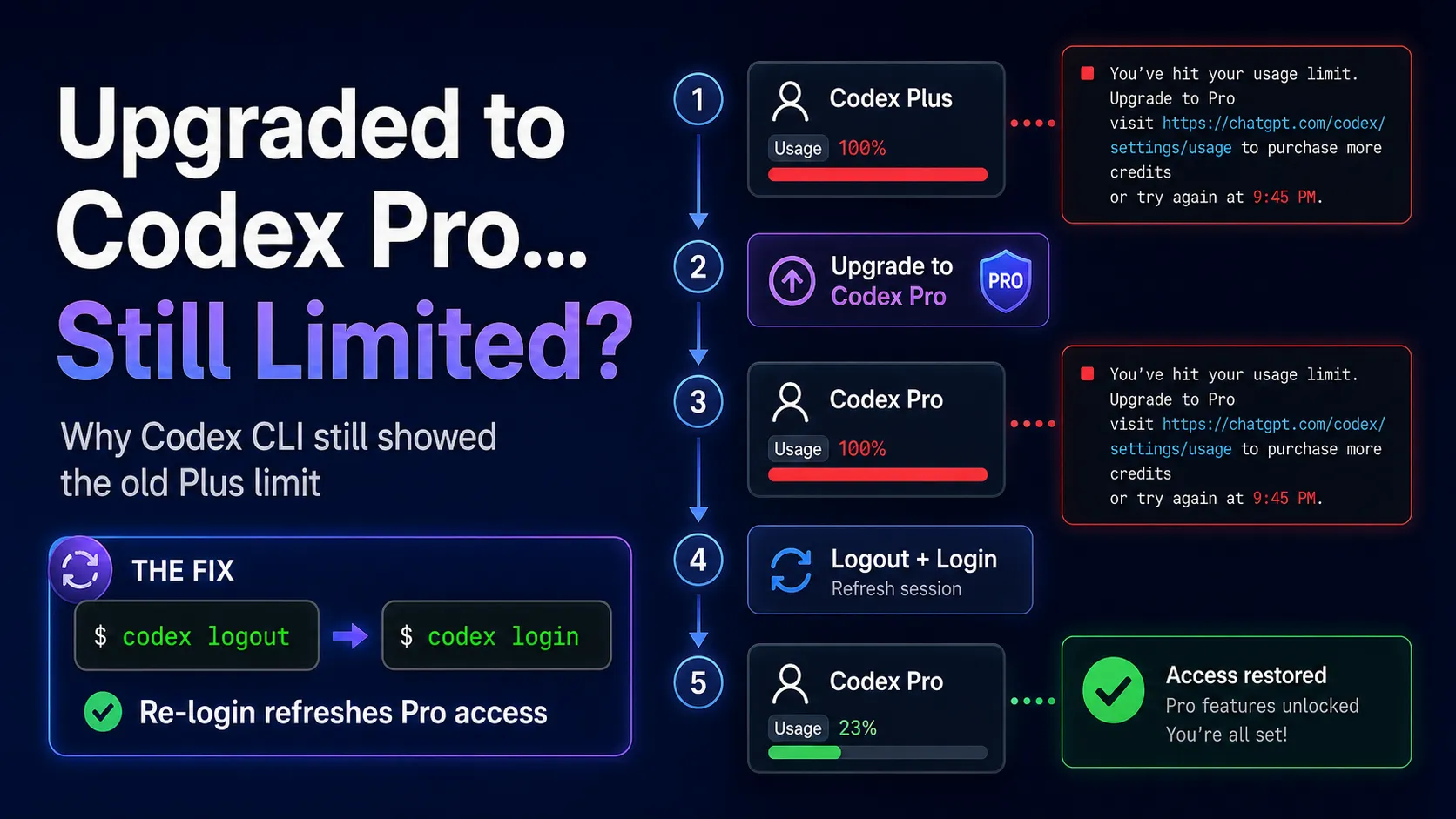
- After adding the server, run codex mcp login hyper3d-rodin.
Auth:
- Run codex mcp login hyper3d-rodin.
- Complete browser sign-in to Hyper3D.
- Verify the client identity, select the billing workspace, and confirm authorization.
Hyper3D documents a hosted URL-based Codex setup. The official Codex section does not explicitly label the transport type. On Windows, the config file is usually C:\Users<username>.codex\config.toml.
Claude Code
Transport: http
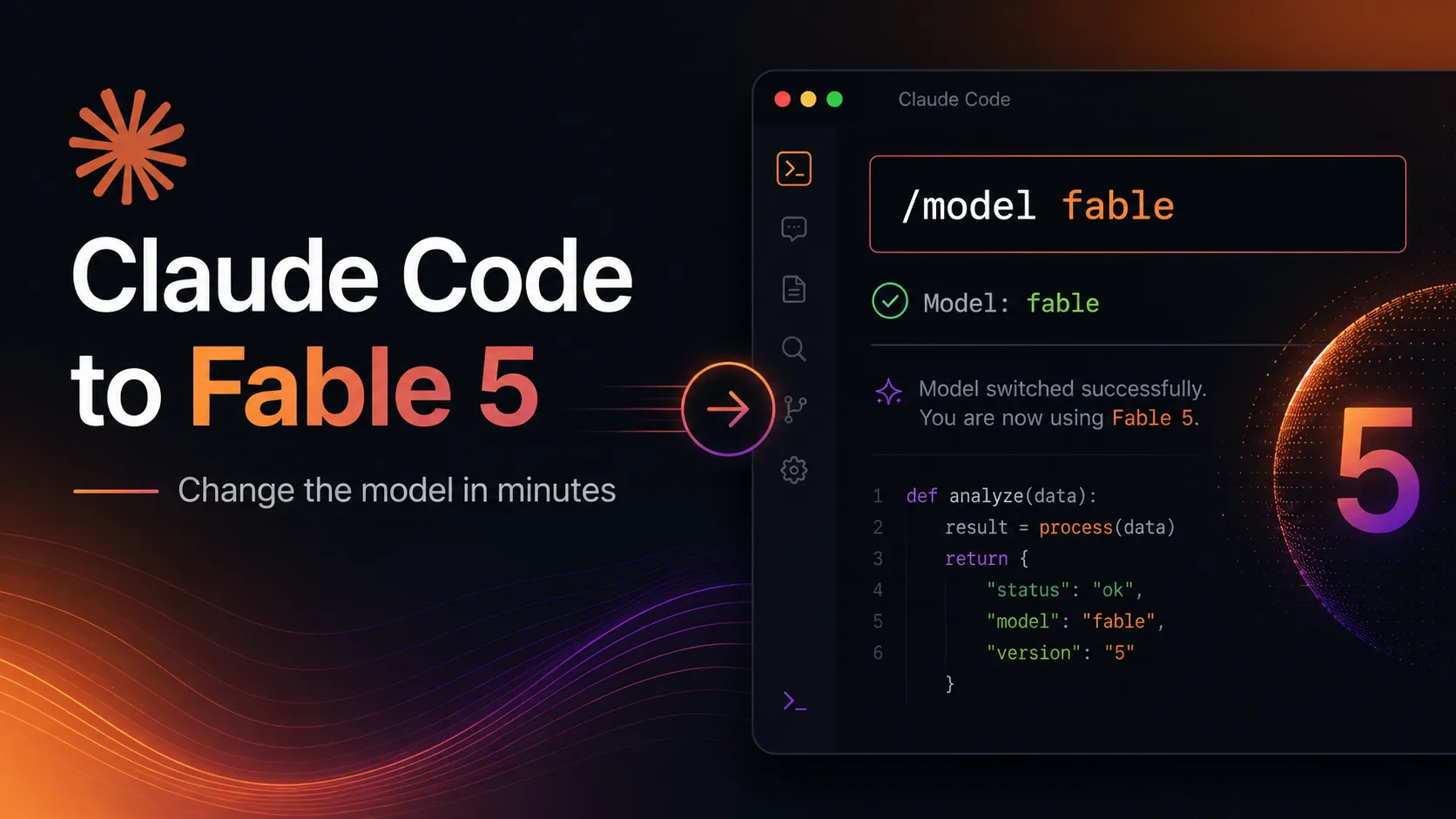
claude mcp add --transport http hyper3d-rodin --scope user https://api.hyper3d.com/api/mcp
{
  "mcpServers": {
    "hyper3d-rodin": {
      "type": "http",
      "url": "https://api.hyper3d.com/api/mcp"
    }
  }
}
- Run the documented Claude Code MCP add command, or add the equivalent JSON configuration.
- After adding the server, run claude mcp login hyper3d-rodin.
Auth:
- Run claude mcp login hyper3d-rodin.
- Complete browser sign-in to Hyper3D.
- Verify the client identity, select the billing workspace, and confirm authorization.
Hyper3D explicitly documents HTTP transport for Claude Code. On Windows, the configuration file is usually C:\Users<username>.claude.json.
Claude Desktop
Exact public setup is not documented on the official Hyper3D MCP page as of 2026-09-16.
Cursor
Exact public setup is not documented on the official Hyper3D MCP page as of 2026-09-16.
Windsurf
Exact public setup is not documented on the official Hyper3D MCP page as of 2026-09-16.
VS Code
Exact public setup is not documented on the official Hyper3D MCP page as of 2026-09-16.
Lovable
Exact public setup is not documented on the official Hyper3D MCP page as of 2026-09-16.
Other
{
  "mcpServers": {
    "hyper3d-rodin": {
      "url": "https://api.hyper3d.com/api/mcp"
    }
  }
}
- Kimi Code CLI is officially documented by Hyper3D.
- Add a global MCP named hyper3d-rodin pointing to https://api.hyper3d.com/api/mcp, or add the equivalent JSON configuration.
- Run /mcp-config login hyper3d-rodin inside Kimi Code CLI.
Auth:
- Run /mcp-config login hyper3d-rodin.
- Complete browser sign-in to Hyper3D.
- Select the workspace and confirm authorization.
This entry represents Kimi Code CLI, which Hyper3D officially documents. The official Kimi section does not explicitly label the transport type. On Windows, the config file is usually C:\Users<username>.kimi-code\mcp.json.
Authorization flow
- Add the Hyper3D Rodin MCP service to a documented client.
- Run the client-specific Hyper3D MCP login command.
- Complete browser sign-in to the Hyper3D account.
- Select the billing workspace and confirm authorization.
- Use the client to request 3D generation, query task progress, and obtain the completed model result.
Setup docs: https://hyper3d.ai/features/mcp
Tags
Alternatives
Comparable tools and resources explicitly connected to Hyper3D MCP.
Related Entries
Keep exploring similar tools and resources in this category.






Related Reads
Background, tutorials, and protocol context connected to this entry.